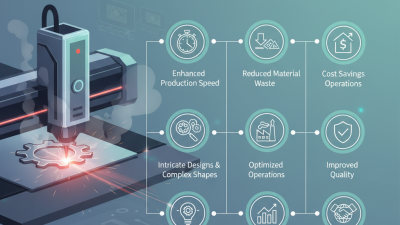
What Is the Best Industrial Equipment Made in China?
China has become a serious source of industrial equipment for factories worldwide. Its strongest categories include CNC machines, industrial robots, construction machinery, pumps, compressors, and electrical systems. However, “best” depends on production volume, precision, operating conditions, and service support.
The International Federation of Robotics reported that China installed 276,288 industrial robots in 2023. That represented more than half of global installations. IFR President Marina Bill stated, “China has been the world’s largest robot market for eleven consecutive years.” This figure shows market scale, but it does not prove that every Chinese machine delivers equal performance.
The China Machinery Industry Federation also reported continued growth in machinery manufacturing output and technological upgrading. Meanwhile, Deloitte’s 2024 Global Manufacturing Industry Outlook identified smart manufacturing, automation, and supply-chain resilience as major investment priorities. These trends explain why Chinese suppliers increasingly offer integrated systems, remote monitoring, and faster customization.
Still, the evaluation requires caution. A low purchase price may hide expensive maintenance. A polished factory showroom may not reflect long-term reliability. Buyers should inspect test records, component brands, safety certifications, software support, and spare-parts availability. Ask for a working demonstration.
Details matter.
The best industrial equipment made in China is rarely defined by price alone. It is defined by repeatable accuracy, stable output, transparent documentation, and responsive technical service. This article compares leading equipment categories through those practical measures. The ranking will not be perfect. Regional conditions, operator skill, and after-sales execution can change the result.
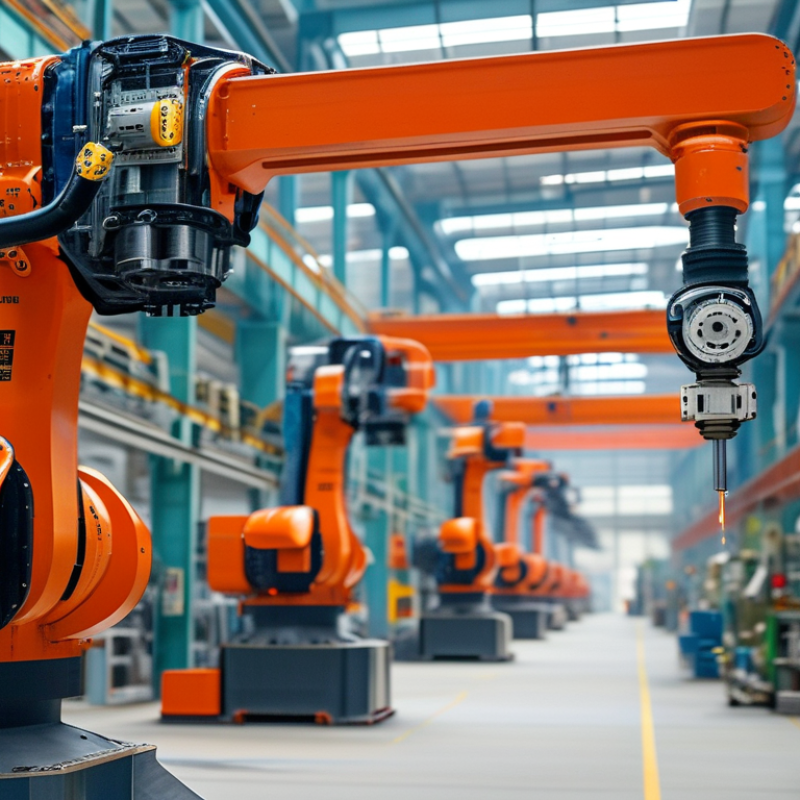
China’s industrial equipment sector covers a wide production chain. It includes machine tools, construction machinery, mining systems, agricultural equipment, electrical units, process machinery, and factory automation. The United Nations Industrial Development Organization reported that China produced about 31.6% of global manufacturing value added in 2022. That scale supports broad supplier networks and competitive component sourcing.
National Bureau of Statistics data showed China’s equipment manufacturing value added grew 6.8% in 2023. It represented 33.6% of the value added from major industrial enterprises.
In practical terms, buyers can source complete production lines, industrial pumps, compressors, material-handling systems, and precision machining equipment. A steel frame, control cabinet, and replacement bearing may come from different production clusters.
The “best” equipment depends on the application.
A food-processing line needs cleanable surfaces and traceable materials. A mining machine needs impact resistance, service access, and reliable hydraulic components. The China Machinery Industry Federation reported continued growth in machinery-sector output during 2023, but growth alone does not prove quality. I would check test records, energy consumption, spare-parts availability, and commissioning experience. Documentation can still be uneven. That deserves careful review.
The best industrial equipment made in China is not defined by price alone. It is judged by evidence, consistency, and safe performance.
During a factory audit, inspect the quality system behind the machine. ISO 9001 certification can help, but it is not enough. Review incoming-material records, process controls, calibration logs, and corrective-action reports. Ask whether operators follow documented procedures. Watch the actual assembly floor. Paperwork can look perfect.
Technical compliance must match the equipment’s destination and use. Check applicable ISO, IEC, and local safety requirements. Confirm that electrical protection, guarding, emergency stops, noise levels, and emissions meet documented limits. Request test reports from recognized laboratories when risks are significant. Verify serial numbers and traceability. A clean certificate without matching test data deserves caution.
Performance should be measured under realistic loads. Compare rated output with repeatability, energy use, temperature rise, and downtime records. Request a factory acceptance test using your own specifications. Small details matter. A stable bearing temperature or clearly labeled control panel may prevent expensive failures later.
Supplier reliability extends beyond delivery. Evaluate spare-parts availability, technical support, training, warranty terms, and response times. Speak with comparable users, not only selected references. No factory is flawless. A successful trial does not guarantee ten years of service. Climate, operator skill, maintenance discipline, and power quality can change results.
China produces a wide range of industrial equipment for global factories. Common categories include CNC machines, packaging lines, injection molding machines, and material handling systems. Construction equipment, agricultural machinery, and industrial pumps are also major products. Many modern factories now combine sensors, programmable controls, and robotic arms. This improves production speed and reduces repetitive manual work. However, automation quality can vary between suppliers. A lower price does not always mean better value.
Tips: Check technical drawings, safety certificates, factory testing records, and spare-part availability. Ask for a video showing the machine under real operating conditions. Confirm voltage, production capacity, tolerances, and installation support before ordering. Small details matter.
In practical equipment evaluations, I look closely at weld quality, wiring labels, guard design, and control-panel logic. These details often reveal the manufacturer’s engineering discipline. Heat-treatment equipment and industrial furnaces need careful temperature testing. Packaging machinery requires stable feeding and accurate sealing. Material handling systems should move loads smoothly without excessive noise.
Some suppliers provide excellent customization, but documentation may be incomplete. That weakness deserves attention. Buyers should request clear manuals, maintenance schedules, and acceptance criteria. Local service capability can also influence long-term reliability, especially when production cannot afford extended downtime.
China’s industrial equipment is strongest when buyers compare complete applications, not isolated price tags. In factory automation, Chinese machinery offers broad model choice, fast customization, and increasingly capable software integration. The International Federation of Robotics reported 276,288 industrial robot installations in China during 2023, equal to 51% of global installations. This scale supports quicker component development and local service networks. However, installation volume does not guarantee equal performance in precision machining, clean-room control, or long-term software stability.
Construction and logistics show a different advantage. Chinese equipment often combines high load capacity with practical design for crowded sites, ports, and warehouses. The World Bank’s Logistics Performance Index 2023 emphasizes reliability, tracking, and delivery coordination, not equipment cost alone. Buyers should therefore test hydraulic response, spare-part availability, noise levels, and remote diagnostics under real working conditions. A cheaper machine can become expensive.
Energy-related equipment also deserves careful comparison. The International Energy Agency reports that industry consumes roughly 37% of global final energy demand, making efficiency a major purchasing factor. Chinese motors, compressors, boilers, and process systems can compete well when measured by output per kilowatt-hour. Yet published efficiency figures may use different testing conditions. This is where evaluation becomes imperfect. A factory floor is dusty, humid, and unpredictable. Independent acceptance testing, documented maintenance intervals, and a realistic five-year operating model matter more than a polished specification sheet.
Selecting the best Chinese industrial equipment starts with your process, not a catalog photograph. Define output, material, duty cycle, floor space, and operator skill before contacting suppliers. A packaging line may look efficient online, yet its controls can struggle with humid rooms or unstable voltage. I have seen small specification gaps create hours of downtime. Measure twice.
Request drawings, component lists, test records, and a written production tolerance. Ask how the machine performs at your actual speed, load, and temperature. A factory acceptance test should use representative materials, not empty demonstration runs. Inspect welds, cable routing, guards, emergency stops, and access panels. Independent inspection adds useful evidence. It may also reveal details that sales discussions miss. Check electrical documentation and safety features against local requirements. Do not assume a translated manual is complete.
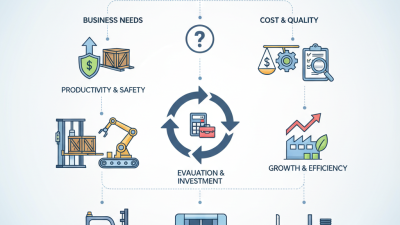
Compare total ownership cost, including installation, training, spare parts, energy use, and planned maintenance. A lower purchase price can become expensive when one sensor requires weeks to replace. Confirm response times, remote support, and technician availability in writing. Review service records from similar installations while protecting customer confidentiality. Pilot testing is valuable when equipment affects product quality. My own selection mistakes often came from trusting polished presentations too quickly. Leave room for redesign; real production is rarely as clean as a showroom trial. Choose measurable performance over impressive promises.